The Web Link In Between Menopause And Urinary Incontinence: An Organized Review
The majority of the moment this spontaneous leakage is a few drops of urine, yet it can come to be a complete loss of control. Hormonal agents play a vital function in getting rid of waste through the urinary system tract and controling body organ feature. Adjustments in hormone levels can affect the bladder, muscles, and nerves associated with urination. These changes may cause urinary system system infections (UTIs), incontinence, or urinary system frequency.Any kind of disparities or disputes were settled with consensus and scholarly deliberation. An objective evaluation device was developed to examine the potential threat of prejudice in the included research. The influence of UI throughout menopause prolongs much past the physical signs. Numerous women report feelings of humiliation, anxiety, and social isolation related to their problem. These psychological impacts can cause diminished self-esteem and hesitation to take part in social or physical activities.
Furthermore, natural aging can contribute to the loss of muscle mass tone in the pelvic region, making bladder control more difficult in time. Giving birth, excessive weight, cigarette smoking, and specific chronic problems like diabetic issues can additionally enhance the danger of developing incontinence. Testosterone assists maintain prostate health, while estrogen Learn more here affects the bladder lining and pelvic muscular tissues. Both are necessary for regular urinary tract feature and reducing risk aspects for heart problem and prostate cancer cells. However before talking about therapy choices, we'll first check out the function that estrogen plays in urinary incontinence and urinary system tract infections. Sometimes, urinary incontinence might be related to other medical conditions beyond hormonal changes.Estrogen plays a vital role in keeping the toughness and versatility of the pelvic flooring muscular tissues, bladder, and urethra. As hormonal agent levels drop, these tissues might compromise, leading to much less control over peeing. Several therapy choices exist for managing urinary incontinence throughout menopause. Menopause triggers a decrease in estrogen, which influences the bladder, urethra, and pelvic flooring muscular tissues.
Hormone Adjustments And Urinary System Incontinence In Females
Hold your horses as you collaborate with your doctor or nurse on a treatment strategy. It might take a month or longer for various treatments to start working. Urinary system urinary incontinence may end up being extra usual as you grow older, however that does not indicate it's a regular part of aging or an acceptable signs and symptom of menopause. Urinary system urinary incontinence is never ever regular, and while menopause can play a role, we can certainly deal with those embarrassing symptoms.
Locating Assistance For Urinary Incontinence
According to the North American Menopause Society, the most typical sorts of bladder troubles throughout menopause are stress incontinence and advise urinary incontinence. Physical changes prompted by menopause can lead to bladder troubles. Your pelvic flooring muscles suspend your bladder and rectum like a hammock. These muscle mass damage as we age and trigger the bladder to prolapse, or descend into the vagina. Pessaries are handy to reduce signs of anxiety incontinence by holding the bladder in position and decreasing urine leak. Menopause is an all-natural phase in your life that indicates the end of your fertility.
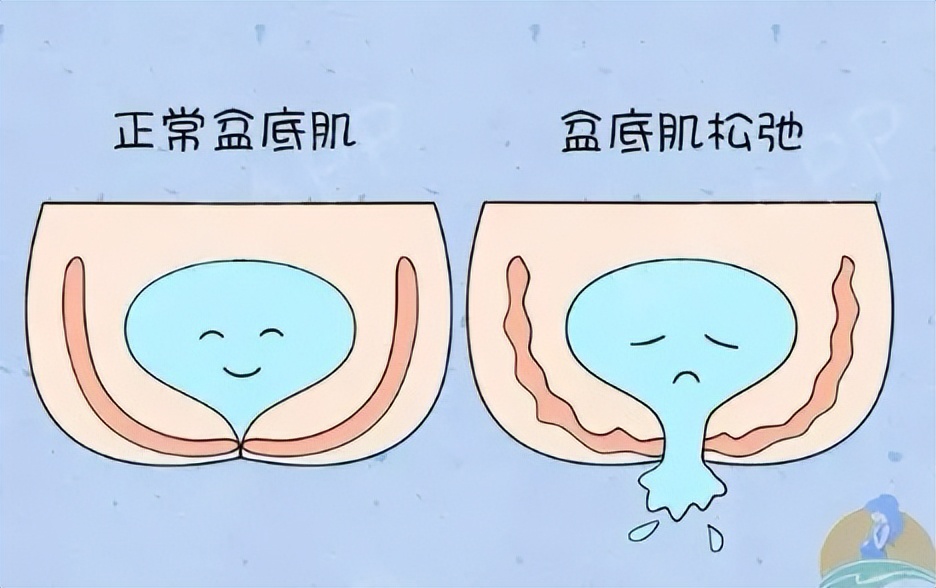

There are numerous various types of urinary system incontinence, yet one of the most usual in females include tension incontinence, urge incontinence, and blended urinary incontinence. The two most typical types of urinary system incontinence that affect ladies are anxiety incontinence and prompt incontinence, likewise called over active bladder. This might be since maternity, giving birth, and menopause might make urinary incontinence more probable. Urinary system incontinence is Learn more not a typical part of aging, and it can be dealt with. When you're in your perimenopausal stage, estrogen levels decrease. This drop in hormonal agents creates urogenital cells to come to be stiffer and thinner, deteriorating your pelvic flooring muscle mass.
Exactly How Hrt And Glp-1 Medicines Help With Menopause Weight Gain
- You can have a weak urinary stream, seem like peing at night (nocturia), and boosted urinary hesitancy.If you're undergoing or have undergone menopause, you may see big modifications in your genital and urinary system system function.This typically results in anxiety urinary incontinence (dripping when coughing or chuckling) or an overactive bladder that demands immediate, urgent restroom trips.A comprehensive search was executed on PubMed, SCOPUS, Scientific Research Direct, Cochrane Collection, and Internet of Science to find relevant product.Additionally, age-related modifications in testosterone and dihydrotestosterone (DHT) straight contribute to Benign Prostatic Hyperplasia (BPH), frequently known as an enlarged prostate.Find out about perimenopause and exactly how to stop and treat bladder leaks throughout perimenopause in this write-up.